Skip to content





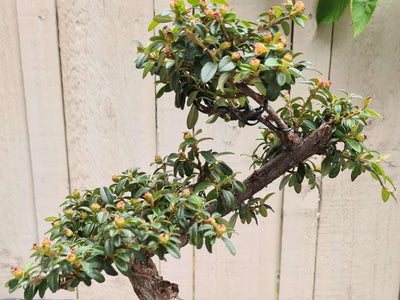
Oriental Photinia / Christmas Berry (Pourthiaea villosa) Bonsai Care Guide (UK)
Find your species: bonsai care guides A–Z
This guide explains everyday UK care for oriental photinia / christmas berry (Pourthiaea villosa). Work with the condition of your own tree: light, weather, pot depth and substrate change how quickly it dries and recovers from pruning.
Quick care summary
| Location | Outdoor bonsai, with seasonal container protection |
|---|---|
| Light | Give outdoor sun or partial shade and good airflow. |
| Watering trigger | Keep the rootball evenly moist while leaves, flowers and berries develop. |
| Winter | Allow outdoor dormancy. |
| Experience | Suitable for learning routine care with regular observation |
About this species
This guide covers oriental photinia / christmas berry (Pourthiaea villosa). It needs outdoor light and seasonal changes; a permanent position inside a heated home is unsuitable.
Position and light
Give outdoor sun or partial shade and good airflow. Shelter small pots from extreme heat and desiccating wind.
When changing position, introduce stronger light and wind gradually. Assess light at the tree itself, not elsewhere in the room or garden.
Watering
Keep the rootball evenly moist while leaves, flowers and berries develop. Water when the surface starts to dry, draining thoroughly afterwards.
Check the substrate with a fingertip or wooden probe and learn the pot’s weight when watered. Apply water gently until it runs through the drainage holes; empty the drip tray afterwards. Check more often in heat or wind, rather than watering on fixed days.
Feeding
Feed a healthy, actively growing tree with a balanced bonsai fertiliser at the product label rate. Liquid and slow-release products have different application intervals, so follow the one you use rather than combining full doses. Apply liquid feed to moist soil. Pause feeding during stress or root-work recovery; resume when the tree is growing again.
Reduce or stop feeding when seasonal growth finishes; dormant roots do not need a summer feeding routine.
Pruning and wiring
Preserve short flowering shoots where berries are wanted. Shape with selective light pruning after flowering rather than repeatedly shearing the whole tree. For major branch changes, make a staged plan that retains enough healthy growth. Wire young branches gently and inspect bark contact frequently.
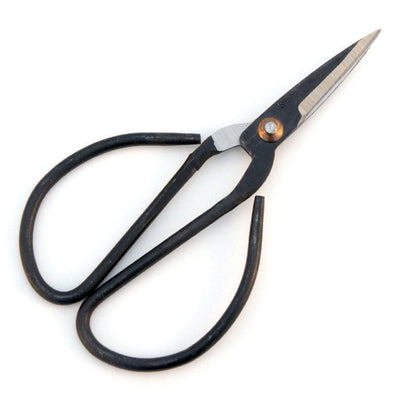
Use clean tools and make a small number of deliberate cuts. Inspect wired branches regularly and remove wire before it bites into bark.
Soil and repotting
Inspect in early spring before leaf expansion, commonly every two to three years for a developing tree. Use an airy, moisture-retentive, acidic to neutral mix; avoid lime-rich ingredients. This container timing is a practical starting point, adjusted to the tree's buds and root condition.
After repotting, water thoroughly and protect from drying wind and intense sun while roots recover. Do not repot a newly arrived or struggling tree simply to change its appearance.
Winter care
Allow outdoor dormancy. Protect the bonsai container from prolonged hard freezing, with sheltered cold-frame conditions when needed. Keep it out of a heated living room.
Protection should still allow you to inspect the soil and ventilate the shelter. Reduced water use does not mean the rootball can be ignored.
Seasonal calendar
| Season | Priority |
|---|---|
| Spring | Check buds, drainage and whether repotting is due before starting work. |
| Summer | Monitor moisture, extend feeding with growth and trim selectively. |
| Autumn | Let late growth mature, inspect wire and prepare winter shelter. |
| Winter | Keep cool, check moisture and shelter the container in severe weather. |
Use the tree’s growth and local weather, rather than a calendar date alone, to time work.
Common problems
Leaflessness in winter is expected. Pale leaves: check root moisture and alkaline water/substrate. Leaf spots or blackened shoots need diagnosis; remove fallen leaves and improve airflow.
Check leaf undersides, shoot tips and stems before treating. Remove visible pests where practical, isolate an affected tree, and use a treatment labelled for the identified pest and plant only if needed. Do not spray insecticide on a routine calendar or use fertiliser as a cure for undiagnosed decline.
Species-specific notes
This species is deciduous, with autumn colour before leaf fall. It is not the evergreen hedge Photinia × fraseri 'Red Robin'. The newer name Pourthiaea villosa and older Photinia villosa refer to the tree covered here. Berries are ornamental and should not be eaten.
Help and related links
For advice about your tree, contact Yorkshire Bonsai with a clear photo, its label, where it is kept and recent care.
- Oriental Photinia (Pourthiaea villosa; syn. Photinia villosa) (Christmas Berry) Bonsai Tree | Shaped | In 25cm Pot
- Browse bonsai trees
- All bonsai guides and advice
Reviewed 19 October 2026. Further reading: RHS guidance; RHS guidance.
Share this
Popular posts